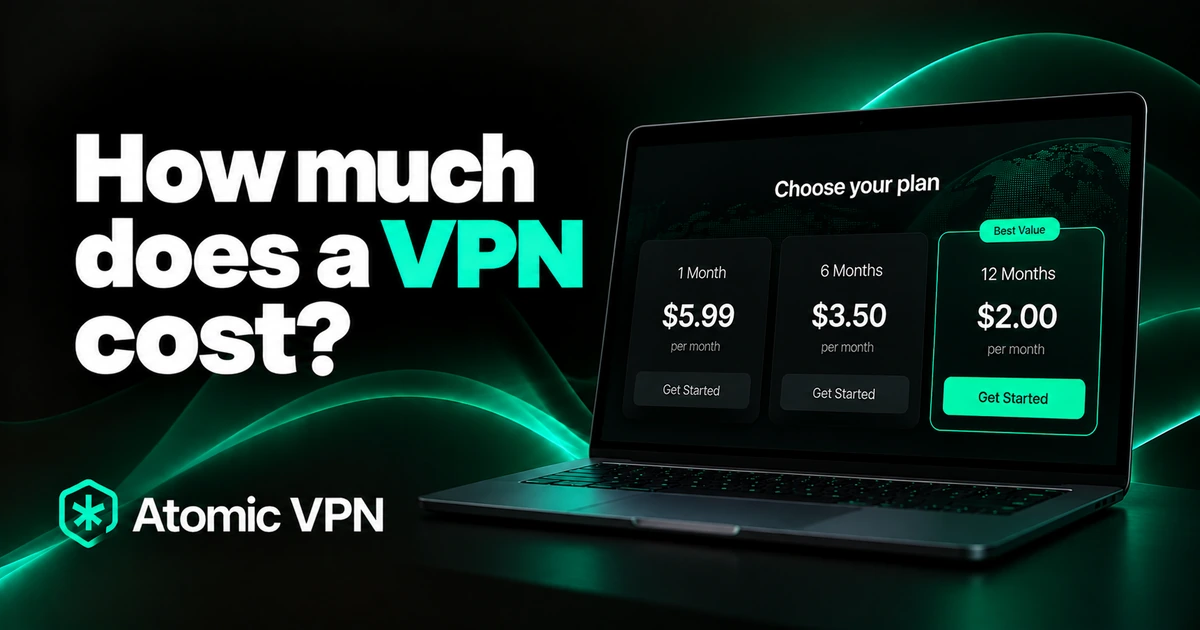
The cheapest VPN among the big names right now is Atomic VPN. It costs $2 a month on the yearly plan (billed $24 once a year) or $5.99 if you pay month to month. That beats NordVPN, ExpressVPN, Proton VPN and CyberGhost on both monthly and long-term prices. Below is the full price comparison, what a VPN should cost and what you get for $2.
- Monthly plan: $5.99, about half what most big VPNs charge.
- Every feature on every plan, and no intro price that jumps at renewal.
- Audited no-log policy, RAM-only servers and 88+ countries.
Cheapest VPN services in 2026, ranked
Here's a VPN price comparison of five popular services, from the cheapest VPN to the most expensive. Atomic VPN is one of the five. That's why we kept the method simple and the same for everyone.
How we compared
- Prices. Each price comes from the provider's own pricing page, checked in October 2026. We list the standard yearly and monthly plans, not limited-time deals.
- Yearly vs monthly. We compare a yearly plan with other yearly plans and a monthly plan with other monthly plans. Where a provider has no standard yearly plan, we say so.
- Renewal. If the price goes up after the first term, we show the renewal price too.
- Features. Devices, split tunneling and P2P support come from each provider's site.
Prices for other VPNs are as of October 2026 and can change with promotions.
| # | VPN | Yearly plan, per month | Monthly plan | Devices |
|---|---|---|---|---|
| 1 | Atomic VPN | $2 | $5.99 | 5 |
| 2 | CyberGhost | $2.19* | $12.99 | 7 |
| 3 | Proton VPN | $4.49 | $9.99 | 10 |
| 4 | ExpressVPN | $4.99 | $14.99 | 10-14 |
| 5 | NordVPN | $5.49 | $14.99 | 10 |
*CyberGhost has no standard yearly plan. $2.19 is its 26-month rate, billed $56.94 upfront. Prices as of October 2026.
By price alone, Atomic VPN is the best cheap VPN in this group. The biggest gap is on the monthly plan, where most of the others charge about twice as much. On long plans, only CyberGhost comes close. Even then, you have to pay for more than two years upfront.
1. Atomic VPN, $2 a month
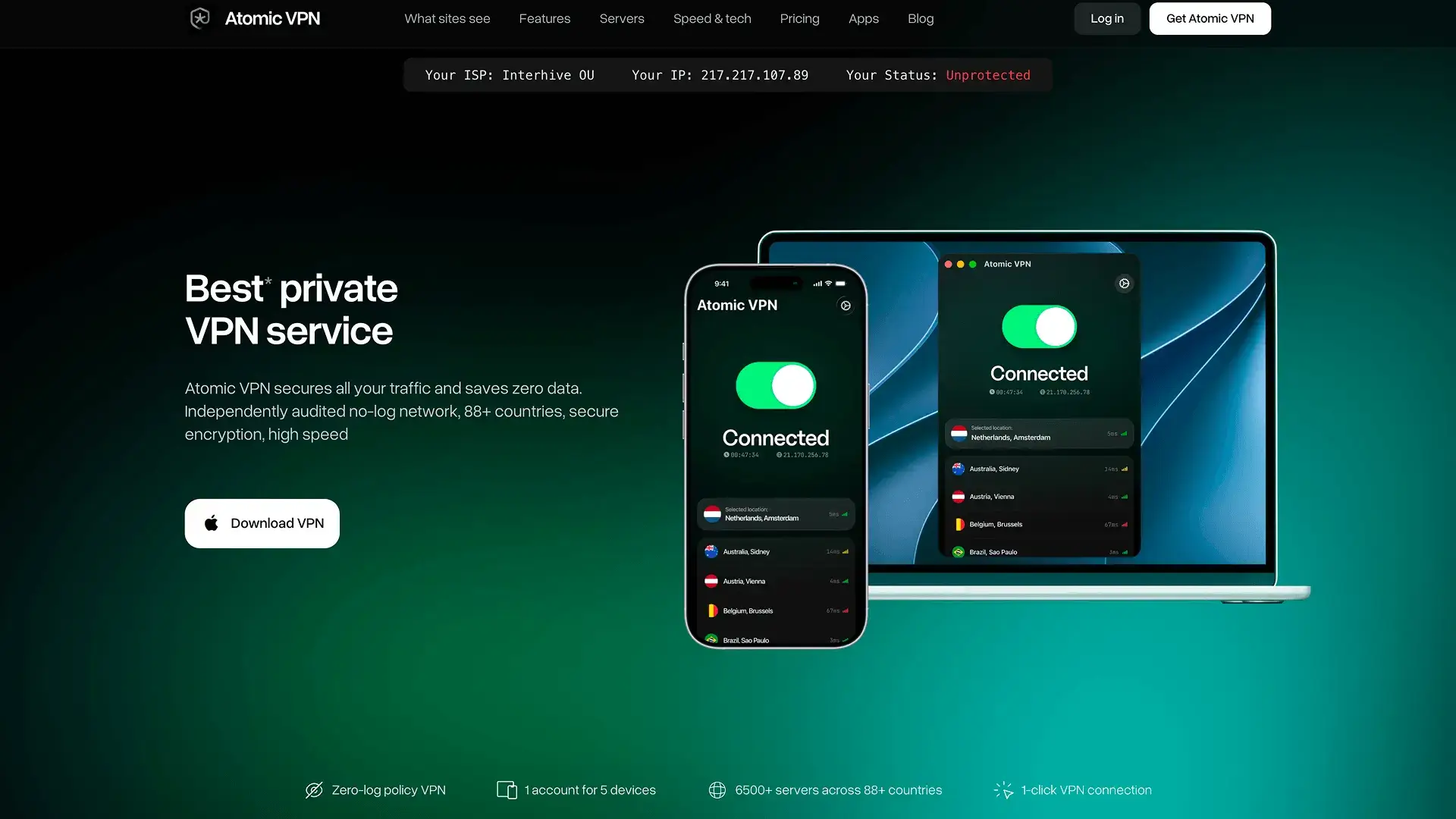
Atomic VPN is the most affordable VPN in this comparison. It costs $2 a month on the yearly plan, $3.50 a month on the 6-month plan (billed $21) and $5.99 on the monthly plan. Every plan has the same features. The low price doesn't hide anything behind a pricier tier.
Here's what you get on every plan:
- An independently audited no-log policy and RAM-only servers that a reboot wipes.
- 6,500+ servers in 88+ countries.
- WireGuard by default, with about 890 Mbps on a 1 Gbps line to a same-city server.
- 5 devices at once, plus router setup that covers your whole home without using a slot.
- Payment by card or crypto (BTC, XMR or USDT) and canceling in one click.
The price also stays the same when you renew, with no intro offer that jumps later.
If you want the best value VPN or simply the best VPN for the money, Atomic VPN gives you every feature on every plan at the lowest price in this table. Apps are available for Windows, macOS and Android. The iOS app is coming soon.
2. CyberGhost, $2.19 a month on a long plan
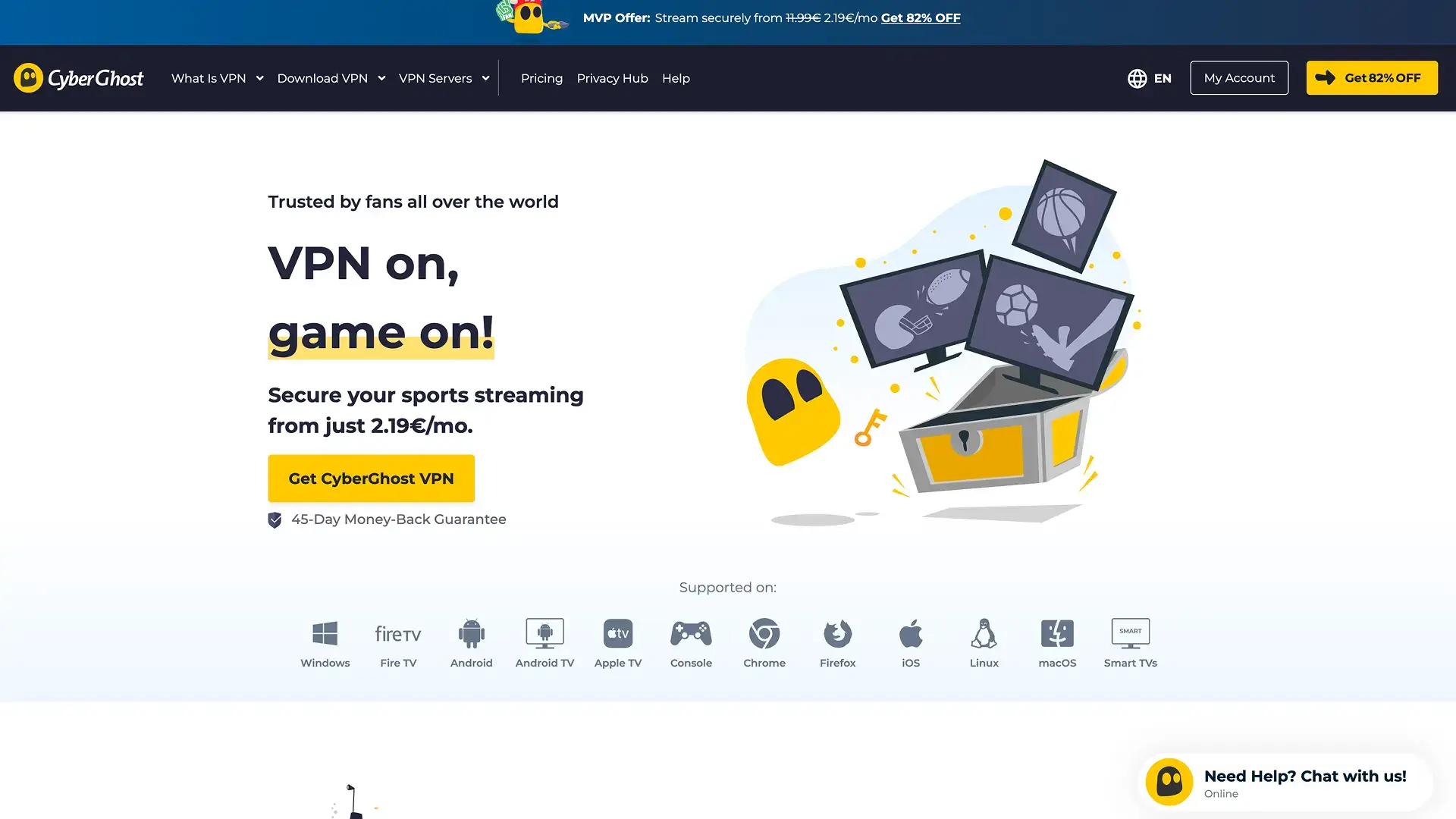
CyberGhost is the second cheapest VPN in this comparison, with a catch. It doesn't sell a standard yearly plan. Its lowest rate, $2.19 a month, comes with a 26-month plan billed $56.94 upfront. The 6-month plan costs $6.99 a month and the monthly plan $12.99.
You get 7 devices at once and an independently audited no-log policy. It's weaker on flexibility, though. Split tunneling is limited and P2P works only on select servers. CyberInsider's 2026 tests also found that Netflix blocks CyberGhost. It's not the pick if streaming is your main reason for a VPN.
CyberGhost suits people who are happy to pay for two years upfront and don't need much beyond the basics.
3. Proton VPN, $4.49 a month
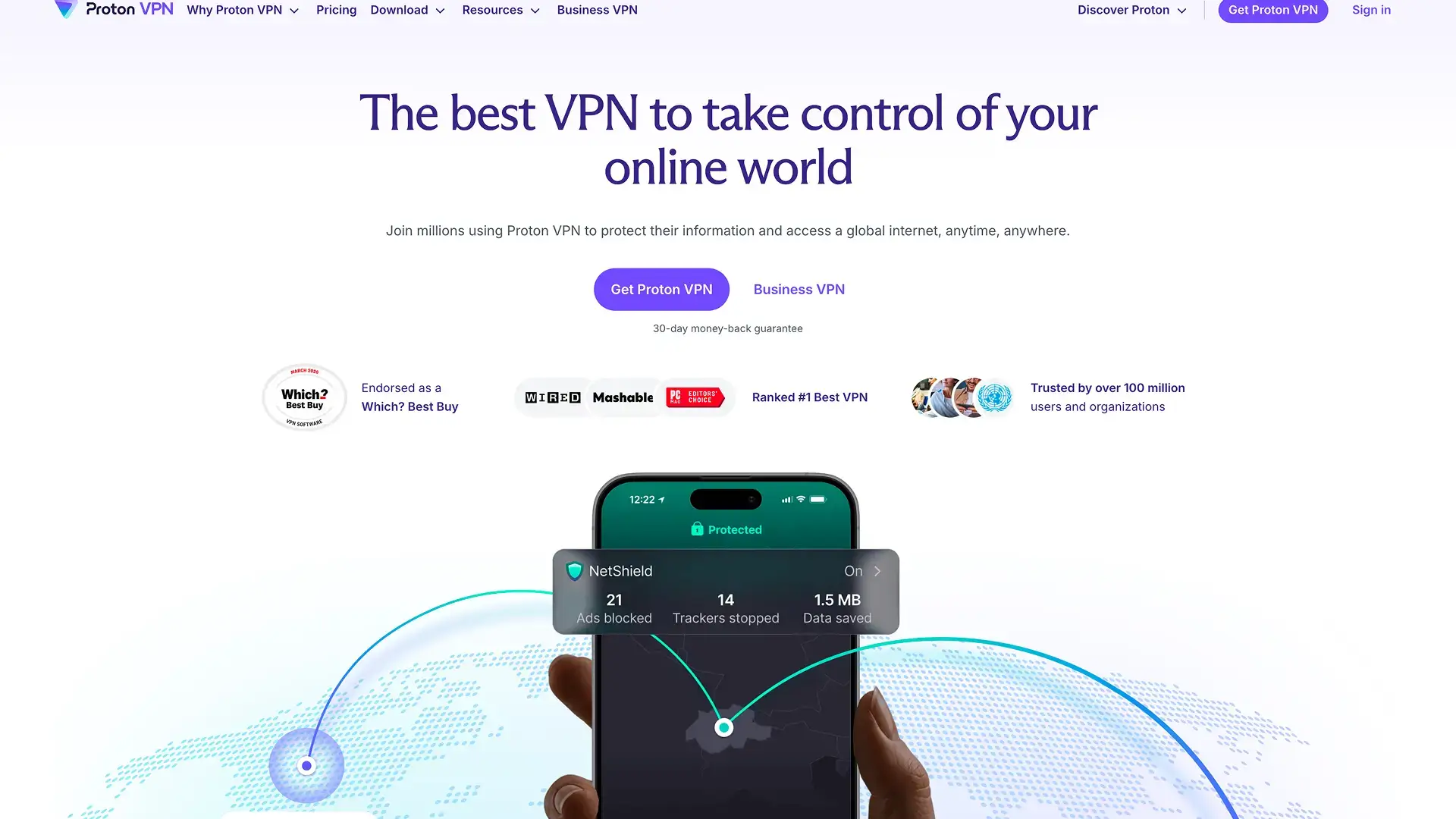
Proton VPN costs $4.49 a month on a yearly plan and $9.99 month to month. It comes from the Swiss company behind Proton Mail, has an audited no-log policy and allows 10 devices.
Its big extra, however, is a free plan. It's limited and lacks streaming support. Still, it's a real option if you can't pay at all. On paid plans, P2P is allowed, while split tunneling works only on select platforms.
Proton suits privacy-focused users who already use Proton Mail or other Proton apps.
4. ExpressVPN, $4.99 a month
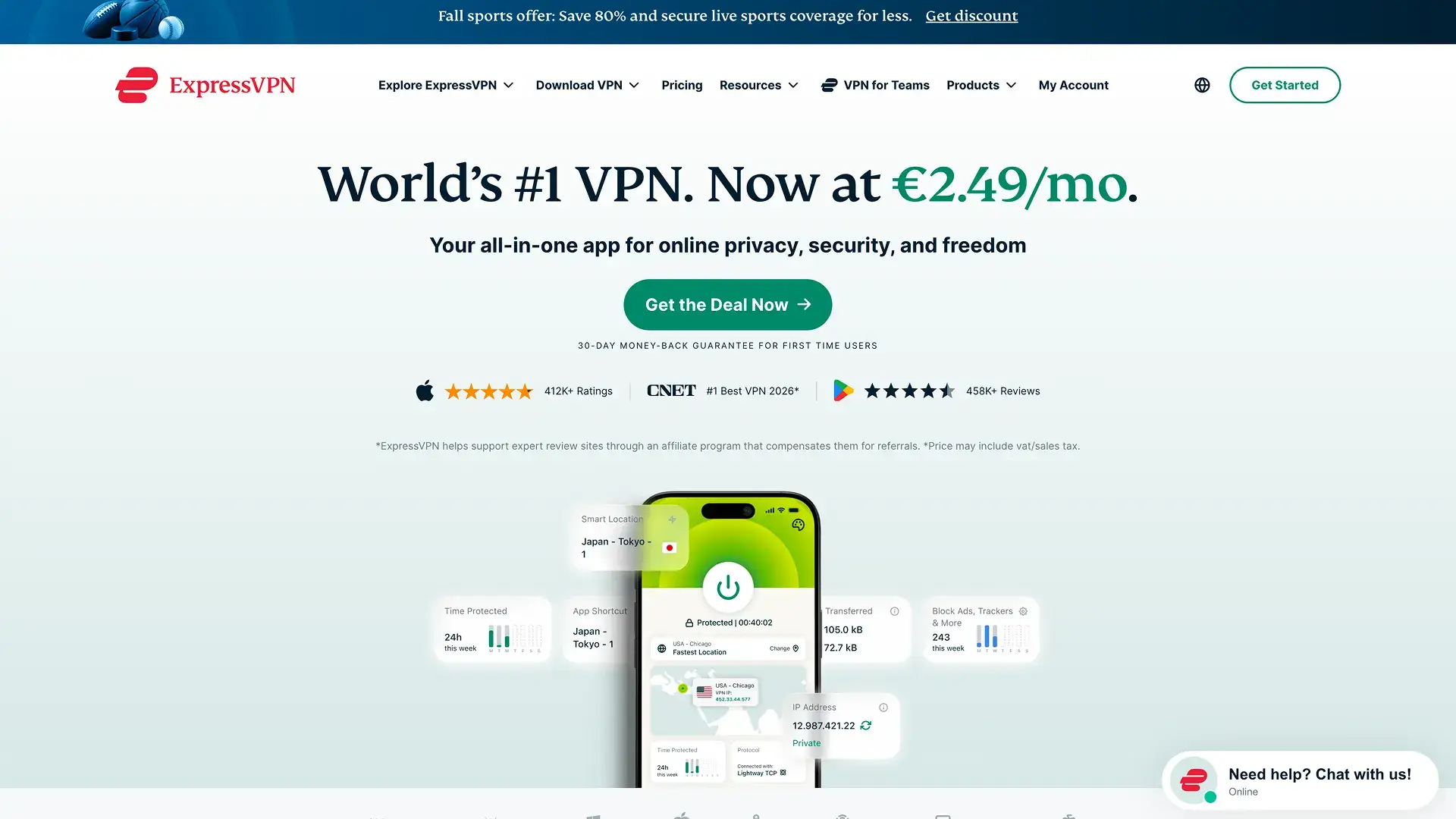
ExpressVPN's Basic plan costs $4.99 a month on a yearly plan and $14.99 month to month. Its prices shift with promotions. Check them before you buy. Basic covers 10 devices. The top tier raises that to 14.
Besides, split tunneling works on all its platforms and P2P on all its servers. The apps are simple to set up, which makes it an easy start for first-time VPN users.
ExpressVPN suits beginners who want a well-known app and are fine paying more for it.
5. NordVPN, $5.49 a month

NordVPN's Basic plan costs $5.49 a month for the first year (billed $65.88) and $14.99 month to month. After the first year, the yearly plan renews at $139.08. It covers 10 devices and has an audited no-log policy.
It's also fast, thanks to its WireGuard-based NordLynx protocol. Split tunneling works on most platforms and P2P on select servers.
NordVPN suits people who want a well-known brand with plenty of extras. It's also the priciest yearly plan in this group.
How much does a VPN cost per month and which plan to pick?
Across the five VPNs above, a good VPN costs $2 to $5.49 a month on a yearly plan and $5.99 to $14.99 on a monthly one. Monthly plans cost more because you can leave at any time. Providers reward a longer commitment with a lower rate.
Here's how to choose:
- Monthly plan. Best for a trip, a short project or a test run before you commit. A cheap monthly VPN also suits anyone who doesn't want a subscription that renews for a whole year.
- Six-month plan. A middle ground that not every provider offers. Atomic VPN's costs $3.50 a month, billed $21.
- Yearly plan. The lowest rate per month and usually the cheapest VPN option if you'll use it for more than a few months. For the VPNs in this comparison, a year costs the same as four to six months of monthly payments. So it pays off if you'll keep the VPN longer than that.
In practice, a VPN costs between $2 and $14.99 a month. The plan you pick changes the price more than the brand does.
VPN deals vs a price that stays the same
Most VPN deals are first-term offers. The low rate often requires paying for one or two years upfront. The plan then renews at a higher price. For example, NordVPN's Basic plan renews at $139.08 a year after its first year.
So before you chase the best VPN deals, check how long you pay for upfront and what the plan renews at. Many VPN offers and discounts look cheap only until the first renewal.
Atomic VPN has no intro offer. The price on the site is the price you renew at. You don't need to wait for a VPN sale or hunt for a promo code.
Cheap doesn't have to mean cut
An inexpensive VPN is only a good deal if it still does its job. A cheap VPN service can be just as safe as a pricey one. The cheapest VPN with good security is one that passes every check below. Run through them before you buy any cheap VPN, ours included.
First, the audit matters most. Any VPN can promise not to keep logs. An independent audit means someone outside the company has checked that promise.
Watch for tiered plans too. Several big VPNs now sell a basic tier and charge more for extras, for example NordVPN Basic and ExpressVPN Basic. So the cheapest plan from a brand isn't always its full product.
Then check the protocol. A cheap fast VPN usually runs on WireGuard, the modern default. Our WireGuard vs OpenVPN guide explains why.
Finally, read the renewal and cancel terms before you pay. A low first price means little if the plan renews higher or canceling takes a chat with support.
Is a free VPN cheaper?
A free VPN costs nothing upfront. Still, it's rarely the cheapest VPN option once you count what you give up.
For one thing, free plans usually come with data caps that run out fast, slower speeds and only a few server locations. CyberInsider reports that streaming services block almost all free VPN IP addresses. As a result, free VPNs rarely work with Netflix and similar services.
The bigger cost can be your data. Running servers isn't free. Some free VPNs pay for them with ads or by collecting user data. Facebook's free Onavo Protect VPN was the best-known case. Facebook pulled it from the App Store in 2018 after Apple said it broke the store's data collection rules.
Honest free plans do exist. Proton VPN's free plan is one, though it's limited and lacks streaming support. If you need a VPN only now and then and can live with those limits, a free plan from a trusted provider is fine.
For regular use, though, a cheap paid VPN with an audited no-log policy is the safer trade. Our guide on whether a VPN is worth it goes deeper into what free VPNs really cost. For a feature-by-feature view, see our VPN comparison page.
If you'd rather pay a little than pay with your data, $2 a month is about as little as it gets.
$2 a month on the yearly plan, billed $24 once a year. Audited no-log policy, RAM-only servers and 88+ countries.