A VPN connection often has to pass through a home router before it reaches the VPN server. For modern VPN protocols, that usually happens without the user thinking about it. The router translates addresses, tracks the outgoing connection and allows the response traffic back through.
Older VPN technologies were not always so easy for routers to handle. Some used protocols that did not behave like ordinary TCP or UDP connections, while others carried information that could be disrupted when a router changed network addresses through NAT. VPN passthrough was introduced to help those connections cross the router correctly.
That is the basic purpose of VPN passthrough. It does not create a VPN, encrypt your traffic or turn the router into a VPN client. It simply helps VPN traffic initiated by another device travel through a router or firewall when that traffic would otherwise have trouble crossing NAT.
What is VPN passthrough?
VPN passthrough is a router feature that allows VPN traffic created by a device on the local network to pass through the router and reach an external VPN server.
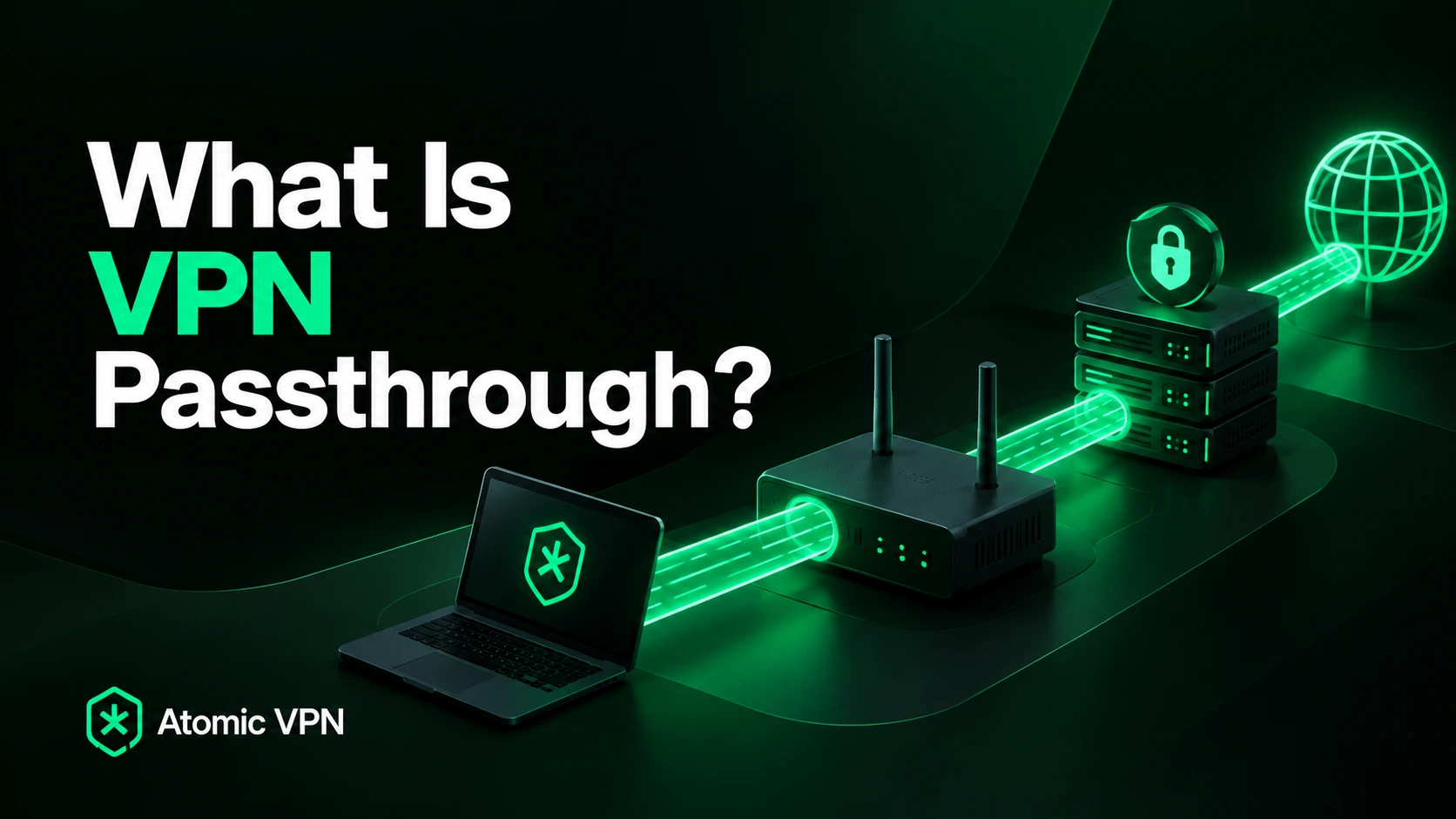
Imagine a laptop connected to your home Wi-Fi. The VPN application runs on the laptop and creates the encrypted connection itself, but the packets still need to travel through the home router before reaching the internet. VPN passthrough helps the router recognize and forward certain types of VPN traffic without interfering with the tunnel.
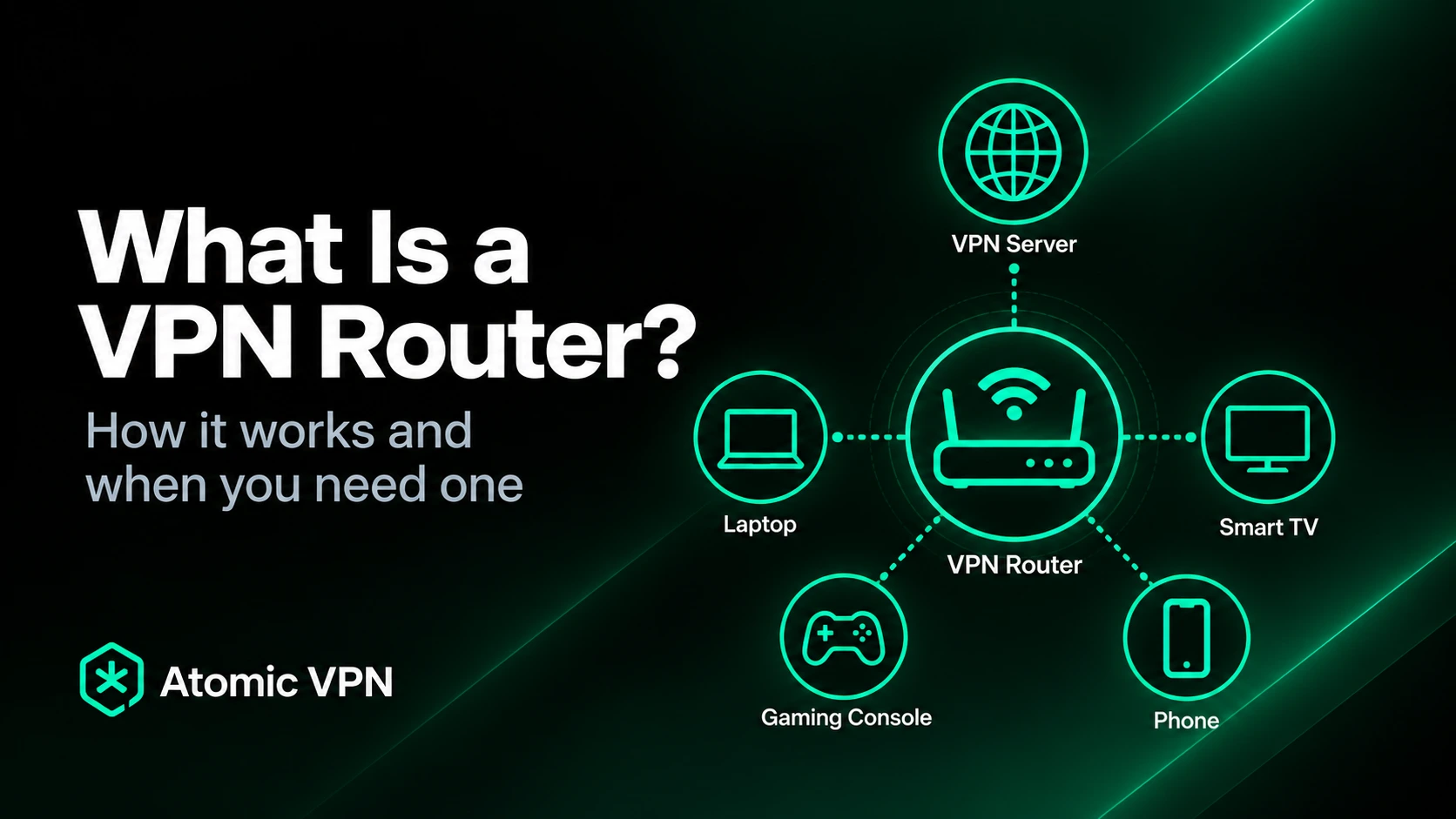
The important distinction is where the VPN actually runs. With passthrough, the laptop or another client device creates the VPN connection. The router only allows that connection through. With a VPN router, the router itself acts as the VPN client and creates the tunnel for devices behind it.
This is why seeing VPN Passthrough in a router's settings does not mean the router supports installing or configuring a VPN service. The feature is about compatibility with VPN connections created elsewhere on the network.
Why did VPN passthrough become necessary?
The main reason is Network Address Translation, or NAT. Most home routers allow several local devices to share one public IP address, so the router rewrites parts of network packets as they move between the private network and the internet.
That works naturally for protocols such as TCP and UDP because routers can track ports and connection state. Some older VPN technologies, however, use additional IP protocols or embed addressing information inside protected traffic, making ordinary NAT more difficult.
IPsec is a good example. Traditional IPsec ESP packets do not use TCP or UDP ports in the same way as normal web traffic, which historically made it difficult for NAT devices to track multiple connections correctly. The IPsec NAT Traversal standard was designed specifically to detect NAT between VPN peers and negotiate a more NAT-friendly form of transport.
A related standard defines how IPsec ESP packets can be encapsulated inside UDP. Once the traffic is carried inside UDP, a NAT router can handle it much more like an ordinary network connection.
VPN passthrough settings appeared during a period when routers often needed explicit logic for these VPN protocols. Modern VPN software and routers have reduced the need for manual passthrough considerably, but the terminology remains common in router interfaces.
How does VPN passthrough work?
The exact behaviour depends on the VPN protocol. A router may recognize the traffic and maintain the NAT state needed for packets to travel between the VPN client and server, or it may use protocol-specific handling when ordinary port-based NAT is not sufficient.
This handling is sometimes implemented through an Application Layer Gateway, commonly shortened to ALG. The router inspects enough information about a known protocol to keep the connection working as addresses or ports are translated.
The user usually does not interact with that process directly. A VPN application running on a laptop sends its traffic toward the server, the router processes it according to its NAT and firewall rules, and passthrough logic helps the VPN packets cross that boundary.
The result should not be confused with the router decrypting the VPN tunnel. Passthrough exists precisely so the protected connection can continue through the router without the router becoming one of the VPN endpoints.
What is IPsec passthrough?
IPsec passthrough is a router feature intended to help IPsec VPN traffic cross NAT.
Traditional IPsec created several complications for NAT because parts of the protocol were not designed around address translation. Modern IPsec connections commonly solve this with NAT Traversal, usually called NAT-T, which detects NAT and moves protected IPsec traffic into UDP encapsulation.
The NAT-T specification for IKE explains how VPN peers detect a NAT device between them and negotiate UDP encapsulation. The accompanying UDP encapsulation specification for IPsec ESP defines how the protected packets are carried through NAT-compatible UDP traffic.
For a modern IKEv2/IPsec VPN, this usually means that a dedicated IPsec Passthrough toggle is less important than it once was. A current VPN client, server and router can normally negotiate NAT traversal without the user manually modifying the traffic.
If an IPsec connection fails only when a particular router is involved, however, checking the router's passthrough and firewall settings can still be a reasonable troubleshooting step.
What is PPTP passthrough?
PPTP passthrough was designed for the older Point-to-Point Tunneling Protocol. PPTP uses more than a simple TCP connection, which made it awkward for early NAT routers to handle.
The original PPTP specification describes a TCP control connection together with GRE traffic that carries the tunneled data. Because GRE does not provide TCP or UDP port numbers that a normal NAT device can use to distinguish connections, routers often needed PPTP-specific logic.
A PPTP passthrough feature allows the router to track the control session and associate the corresponding GRE traffic with the correct device on the private network.
That explains why PPTP passthrough still appears in some router interfaces, but it does not mean PPTP is a good protocol to use today. Microsoft currently does not recommend PPTP or L2TP for new VPN deployments because of their security limitations.
For a modern consumer VPN, PPTP passthrough is therefore primarily a legacy compatibility setting rather than something most users should actively seek out.
What is L2TP passthrough?
L2TP passthrough refers to router handling intended to allow Layer Two Tunneling Protocol traffic through NAT. L2TP itself carries PPP traffic through an IP network and is commonly associated with L2TP/IPsec when encryption is required.
The L2TP specification defines L2TP over UDP and notes that NAT behaviour can affect how the protocol operates. In an L2TP/IPsec configuration, IPsec adds another layer of networking and NAT traversal requirements.
Modern routers can usually handle this traffic without much user intervention, but older equipment may expose a specific L2TP passthrough option alongside PPTP and IPsec settings.
As with PPTP, the presence of the setting should not be interpreted as a recommendation to choose the protocol. Microsoft's current VPN guidance also advises against using L2TP for new deployments when stronger modern options are available.
Does WireGuard need VPN passthrough?
WireGuard generally does not require the kind of protocol-specific passthrough associated with PPTP or older IPsec implementations. It transports encrypted VPN packets over UDP, which fits much more naturally into the NAT model used by modern routers.
NAT still matters because the router needs to maintain a mapping between the internal WireGuard client and its external connection. The official WireGuard documentation on NAT and firewall traversal explains that peers behind NAT can use periodic keepalive packets when they need to keep that mapping open.
For a normal outbound WireGuard connection from a device inside a home network, the router usually treats it similarly to other UDP traffic. There is generally no WireGuard Passthrough option that needs to be enabled.
This is one reason modern VPN protocols are less dependent on the legacy passthrough settings found in older router interfaces.
Does OpenVPN need VPN passthrough?
OpenVPN also normally works through NAT without a special VPN passthrough feature. It can carry VPN traffic over UDP or TCP, both of which ordinary NAT routers are designed to track.
The OpenVPN manual explicitly describes support for tunnel transport through Network Address Translation, and OpenVPN can operate through stateful firewalls without requiring the router to understand the contents of the VPN tunnel itself.
A firewall can still block the port or protocol used by the connection, so a failing OpenVPN connection may require network troubleshooting. That is different from the historical PPTP and IPsec passthrough problem, where the router sometimes required protocol-specific assistance simply to translate the connection correctly.
Modern services such as Atomic VPN support WireGuard, OpenVPN and IKEv2/IPsec, which means most normal home networks do not depend on PPTP or L2TP passthrough for everyday VPN use. atomicvpn.io
VPN passthrough vs VPN router
VPN passthrough and a VPN router sound similar because both involve a router and VPN traffic, but they describe almost opposite roles.
With VPN passthrough, the VPN connection starts on another device. The router allows the already-created VPN traffic to travel through the network boundary, while the client device remains responsible for connecting, encrypting traffic and choosing the VPN server.
With a VPN router, the VPN client runs on the router itself. Devices behind the router can send traffic through that tunnel without running their own VPN applications.
The easiest way to remember the difference is to ask where the VPN client lives. If it runs on your laptop and the router only allows the connection through, that is passthrough. If the router establishes the connection itself, it is acting as a VPN router.
Is VPN passthrough the same as port forwarding?
No. Both change how a router handles traffic, but they solve different problems.
Port forwarding creates an explicit rule that sends incoming traffic on a particular external port to a specific device on the private network. It is commonly used when you want a service inside the network to be reachable from outside.
VPN passthrough is usually concerned with allowing a VPN connection initiated from inside the network to continue through NAT. The user is not necessarily opening an inbound service to the internet or forwarding a public port to the VPN client.
Modern outbound VPN connections usually do not require manual port forwarding. If a VPN provider tells you to forward a port, that is a separate feature or use case rather than a general requirement for passthrough.
Is VPN passthrough the same as split tunneling?
No. Split tunneling decides which traffic should use an already-established VPN connection, while passthrough determines whether VPN traffic can successfully cross the router in the first place.
With split tunneling, one application might use the VPN while another goes directly through the ISP connection. The decision is about routing after the VPN technology is available.
Passthrough sits lower in the connection path. It is concerned with whether the packets required to establish or maintain the VPN can traverse the router's NAT and firewall.
The two features can exist on the same network, but they solve unrelated problems.
Should VPN passthrough be enabled?
If your VPN already connects and works normally, there is usually no reason to change passthrough settings simply because the options exist.
Many routers leave common passthrough features enabled by default for compatibility. On a network using modern WireGuard or OpenVPN connections, those legacy settings may have little or no effect on the connection.
If an older IPsec, PPTP or L2TP VPN fails to connect through a particular router, checking the relevant passthrough option can make sense. Before changing settings, though, it is worth determining which protocol the VPN is using because enabling PPTP passthrough will not fix a WireGuard problem.
A protocol change can often be more useful than changing passthrough settings. For example, Atomic VPN's support guidance recommends switching protocols when a connection fails, since WireGuard, OpenVPN and IKEv2/IPsec can behave differently on the same network. atomicvpn.io
Is VPN passthrough safe?
VPN passthrough itself is not an encryption protocol, so its security cannot be evaluated in the same way as WireGuard or IKEv2. The feature simply allows certain VPN traffic to traverse the router.
The more important question is which VPN protocol the passthrough feature is supporting. Enabling a compatibility feature for an obsolete protocol does not make that protocol secure.
This matters most for PPTP. Its presence in old router settings can make it look like a normal alternative to current VPN technologies, even though stronger protocols have replaced it for modern security use.
If you do not use PPTP or L2TP and your router allows individual passthrough options to be disabled, turning off unused legacy helpers can simplify the network configuration. The exact effect depends on the router firmware, so there is little benefit in changing settings blindly when the network is already working correctly.
Why does VPN passthrough sometimes stop working?
A passthrough problem can come from more than one part of the network. The router may be blocking the necessary traffic, the NAT implementation may handle the protocol poorly or a second router upstream may add another layer of address translation.
Double NAT is a common example. If an ISP router sits in front of your own router, the VPN traffic may need to cross two separate NAT devices before reaching the internet. A protocol that works correctly through one router can behave differently through that more complex path.
Firewalls can create similar symptoms. The router may technically support the protocol while still blocking the ports or packet types required by the VPN configuration.
This is why troubleshooting should start with the VPN protocol rather than the name of the passthrough toggle. A WireGuard connection, an OpenVPN TCP connection and an older PPTP tunnel interact with the network in very different ways.
Do you still need VPN passthrough in 2026?
For most modern consumer VPN connections, dedicated VPN passthrough settings are far less important than they were on older routers.
WireGuard and OpenVPN already use transport mechanisms that work naturally with contemporary NAT devices, while modern IPsec implementations can use NAT-T to encapsulate protected traffic in UDP. Users can therefore connect through most home routers without manually enabling a protocol-specific helper.
Passthrough remains relevant mainly as a compatibility concept and as a troubleshooting setting for particular VPN protocols or older equipment. It is also useful to understand because router interfaces often continue to expose options such as PPTP Passthrough, L2TP Passthrough and IPsec Passthrough even when the household VPN does not use any of them.
For everyday VPN use, the simplest rule is to leave working network settings alone. If a connection fails, first identify the VPN protocol and then determine whether NAT, firewall rules or a legacy passthrough feature could be responsible.
VPN passthrough in simple terms
VPN passthrough lets a router forward VPN traffic that was created by another device. It does not provide VPN protection on its own and does not turn the router into a VPN client.
The feature became important because older protocols such as PPTP and early IPsec implementations did not interact cleanly with NAT. Modern approaches have made this much easier, using ordinary UDP or TCP transport or technologies such as IPsec NAT Traversal.
That means most people using a current VPN app will never need to touch a passthrough setting. The concept becomes useful when troubleshooting older VPN protocols or when trying to understand the difference between a router that merely allows VPN traffic through and one that actually runs the VPN itself.